
Why Tampa’s Causeway & Bridge Accidents Are So Severe
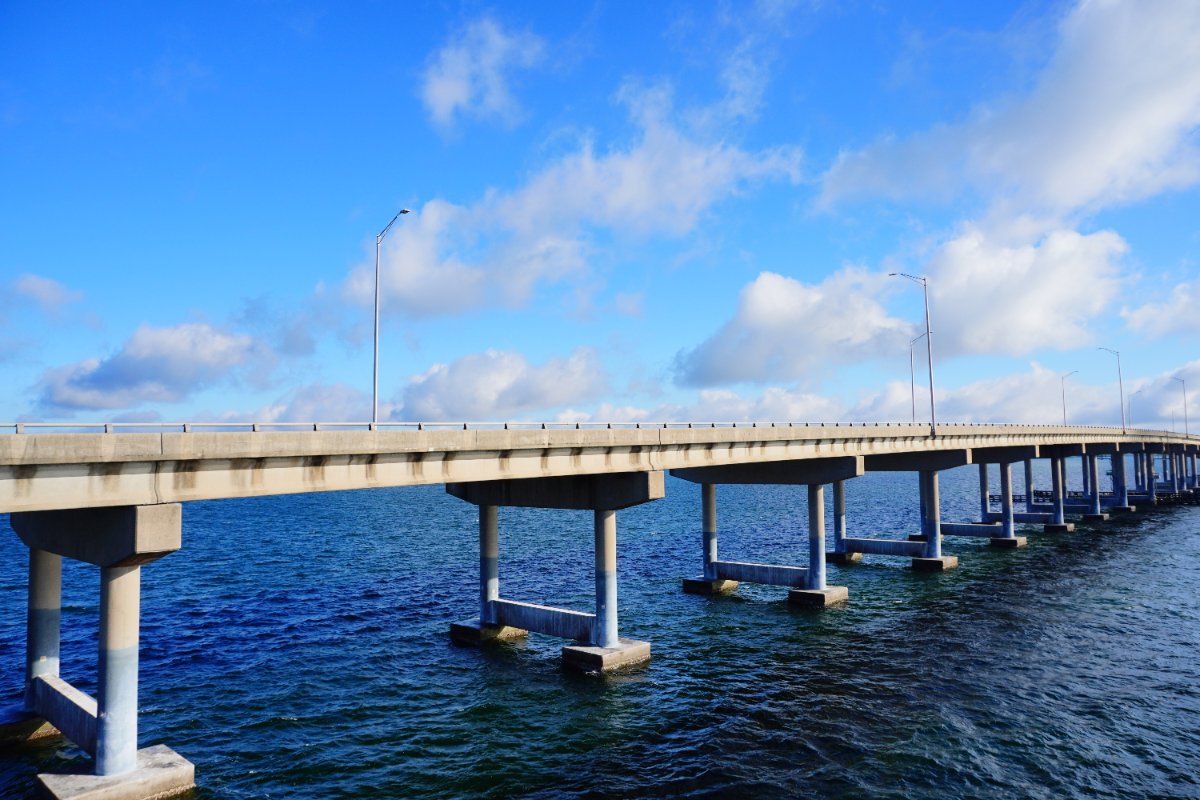 Tampa is surrounded by water—Tampa Bay, Old Tampa Bay, and Hillsborough Bay—making bridges and causeways an essential part of daily travel. Unfortunately, spending so much time on bridges and causeways can also increase the likelihood of an accident, which is why it’s important to know what to expect from these types of roads and how to protect yourself.
Were you injured in a crash on one of Tampa’s many bridges or causeways? The team at MattLaw Car Accident and Personal Injury Lawyers is here to help you hold the at-fault party accountable. Contact us today to set up a free confidential consultation.
What are the most dangerous bridges and causeways in Tampa?
While any of Tampa’s bridges and causeways can get a little scary when the weather is questionable, some are undoubtedly harder to drive on than others. Some of the most challenging include:
- Courtney Campbell Causeway/SR-60: This causeway connects Tampa to Clearwater, sprawling across Old Tampa Bay. It’s a long, flat, exposed stretch, which makes it look far easier to navigate than it really is. Traffic tends to move at 55 MPH or more, and drivers may have to deal with massive traffic slowdowns during rush hours, strong crosswinds from open water, limited shoulder access, heavy weekend traffic due to beaches, and multi-car pileups. There’s not a lot of room to maneuver, leaving little room for error.
- Howard Frankland Bridge/I-275: This bridge is one of the busiest in all of Florida, connecting the communities of Tampa and St. Petersburg. It sees a lot of commuter traffic during the week. Drivers should expect narrow lanes, lane shifts, high-speed merging, and congestion—all thanks to the construction projects that this bridge is known for.
- Sunshine Skyway Bridge/I-275S: This bridge is iconic and visually appealing. Unfortunately, it’s also one of the most exposed roadways in the Tampa region, which makes it challenging to navigate. Some of the risk factors that ramp up the likelihood of accidents include high elevation, steep inclines and declines, strong winds, lots of commercial truck traffic, and tourists who don’t know how to drive on Florida bridges safely.
- Gandy Bridge/US-92: Gandy Bridge connects South Tampa to St. Petersburg, so there’s tons of daily traffic as people rush from home to work and vice versa. Factors contributing to the high number of accidents include narrow lanes, congestion, aggressive merging, and limited shoulder space. Even a minor accident can quickly escalate when other drivers can’t get around the stopped vehicles and instead crash into them.
Why are bridge accidents in this area more severe?
The whole country has bridges, so why do Tampa’s bridges present unique safety risks? There are several factors that contribute to this trend:
- High-speed travel: Many of Tampa’s bridges operate as highway corridors. Drivers may fly down these bridges at high speeds, relying on the flow of traffic and guardrails to keep them safe and get them across to the other side.
- No escape route: And the flip side of high-speed travel is that there are no escape routes on bridges. The shoulders are limited, so if traffic suddenly backs up or there’s a crash in the lane in front of you, you can’t avoid it. Unless you are able to come to a complete stop in time, you become part of the accident. This is often how pileups happen.
- Sudden traffic congestion: Anyone living in the Tampa area will tell you how freeing and fun it is to drive on an open bridge—until traffic suddenly gets congested out of nowhere. It may feel like the road is yours, but two minutes later, you’re stuck in bumper-to-bumper traffic. Even a slight slowdown can result in cars traveling over 60 MPH to crash into each other, despite their best efforts to stop on time.
- Crosswinds: Open water means open wind exposure, and on particularly windy days, you may find it difficult to keep your vehicle in its own lane. High winds can push vehicles into other lanes, cause drivers to panic and overcorrect, cause high-profile vehicles to roll over, or affect motorcyclists more severely. Drivers familiar with how wind affects bridge travel may be able to account for these challenges, but those new to or unfamiliar with the area often find out on their first windy day.
- Construction zones: Construction seems like an ever-present issue on Tampa bridges and causeways. This only multiplies the challenges we’ve already talked about.
- Heavy tourist traffic: Florida sees tons of tourist traffic year-round. Tourists are unlikely to be familiar with the challenges of driving on bridges with strong crosswinds, and they may not expect the slowdowns that Tampa residents can anticipate and plan for.
Why do insurance companies push back on bridge crashes?
Insurance companies are not quick to accept liability in general, but multi-car bridge crashes often involve complex liability disputes. They know that many of these accidents involve multiple vehicles, many of which may share liability. If they think that they can shift liability to someone else, they aren’t going to jump in and offer a settlement right away. Florida drivers typically first seek benefits through Personal Injury Protection (PIP) coverage, regardless of fault. However, as a driver, you may benefit from working with a Tampa car accident attorney who knows the challenges of Tampa accidents and how local insurance companies operate in this environment.
Demand fair compensation after a Tampa car accident
If you’ve fallen victim to the dangers of Tampa’s bridges and causeways, the team at MattLaw Car Accident and Personal Injury Lawyers is here to help. Figure out who’s liable and how to pursue compensation by filling out our online contact form today.
About Author

Matt Powell is a Board Certified Civil Trial Lawyer by the Florida Bar who represents injured victims and their families. He is an experienced personal injury trial attorney who has been practicing since 1989 in Tampa, Florida. Simply call our offices or fill out our contact form to schedule a free consultation today.