
Catastrophic Injury in Florida: Long‑Term Care, Disability, and How Damages Are Calculated
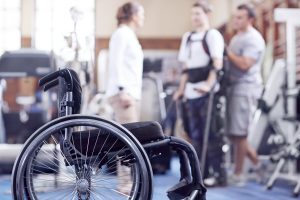 A catastrophic injury can change a person’s life in the blink of an eye. Workplace accidents, medical errors, and serious car crashes are just some common causes of major bodily trauma. No matter the underlying reason, these injuries generally result in permanent and long-term disability that require long-term care.
In Florida, victims who’ve suffered a catastrophic injury are able to seek compensation for their damages. Due to the severity and lasting impact, the settlement is designed to cover the victim’s current and future damages in their entirety. Knowing how the state categorizes these injuries, the type of care usually required, and how damages are calculated is critical.
Below, learn how you can confidently make informed decisions about your next steps.
What is a catastrophic injury under Florida law?
Florida law defines a “catastrophic injury” as:
- A spinal cord injury involving severe paralysis of an arm, a leg, or the trunk
- Amputation of an arm, a hand, a foot, or a leg
- A severe brain or closed-head injury
- A second-degree or third-degree burn on 25 percent or more of the total body surface, or a third-degree burn on 5 percent or more of the face and hands
- Total or industrial blindness
- Any injury severe enough that it would qualify the person for Social Security disability (SSDI) or SSI benefits under the federal standards in effect on July 1, 1992
The term catastrophic injury is used as a reference to severe injuries that lead to permanent disability or disfigurement; significant loss of bodily function; or a long-term impact on a person’s ability to work and live independently.
These types of injuries aren’t just physically devastating. They come with invisible wounds like emotional, psychological, and financial burdens that can last a lifetime.
Examples of traumatic injuries include:
- Traumatic brain injuries (TBIs)
- Spinal cord injuries that result in paralysis
- Severe burns
- Amputations
- Multiple fractures or crushed limbs
- Organ damage or failure
Long-term care needs for catastrophic injury survivors
One of the most challenging aspects of recovery is the long-term care and rehabilitation often required after such a traumatic event. In many cases, medical treatment doesn’t end after the initial emergency passes. For a lot of victims, there’s a long road ahead.
Medical treatment and rehabilitation
Survivors might need extensive support, such as:
- Multiple surgeries
- Ongoing physical therapy
- Occupational therapy to relearn everyday tasks
- Speech and cognitive therapy, especially after TBIs
- Pain management
- A Guardian to manage their affairs
Some victims may even require assistive devices such as wheelchairs, prosthetics, or in-home medical equipment.
In-home and facility-based care
In addition to necessary medical treatment and facility-based care, a person who has experienced a traumatic event might no longer be able to live alone. In-home nursing care, a personal care aide, or admission to a long-term care or rehabilitation facility will probably be needed. Not only are these services costly, but they often last for years, if not a lifetime.
How catastrophic injuries lead to disability
After an injury, victims are often prevented from carrying on with their normal daily activities or from returning to work. In Florida, these types of limitations can significantly impact a disability claim, although they are not the legal test for permanent total disability. People may struggle to work if they:
- Cannot perform responsibilities and duties imposed by gainful employment
- Require constant care or supervision
- Develop major cognitive dysfunction
- Experience chronic, debilitating pain
While benefits provided through Social Security, Workers’ Compensation, or private insurance may be available, they typically don’t cover non-economic losses. These types of damages can be pursued through a personal injury lawsuit.
Calculating damages in catastrophic injury cases
Calculating damages is much more than adding medical bills. Because the legislature, courts, and insurance adjusters recognize the life-altering impact of these injuries, both economic and non-economic losses must be evaluated.
Economic damages
These are quantifiable financial losses stemming from the injury:
- Medical expenses: hospital stays, surgeries, medications, rehab, and in-home care
- Lost income: Wages lost due to the inability to work
- Loss of earning capacity: Victim’s inability to work in the future
- Home modifications: Ramps, expanded doorways, bathroom adjustments
- Transportation: Specialized vehicles or transportation services
In some cases, a catastrophic injury lawyer will involve life care planners and economists to help estimate the lifetime costs of care and lost income.
Non-economic damages
These are more subjective, but equally important. Although non-economic damages are harder to quantify, they often make up a considerable portion of a settlement or verdict.
Examples include:
- Pain and suffering
- Emotional distress
- Loss of companionship or consortium
- Loss of enjoyment of life
- Mental anguish
- Inconvenience
- Aggravation of preexisting conditions
Punitive damages
If a defendant acted with intentional misconduct or gross negligence (e.g., DUI, hit-and-run, reckless driving, etc.), punitive damages may be awarded. These are designed to punish the bad actor or wrongdoer rather than compensate the victim. Under Florida law, punitive damages are capped, with exceptions.
Florida-specific considerations for catastrophic injury claims
Florida has a few unique laws and legal doctrines that impact how these cases are handled.
Comparative fault
Florida follows a modified comparative negligence rule for most negligence cases. In general, a person can only recover damages in most negligence cases if they are 50% or less at fault. If a person is more than 50% at fault, they won’t be able to recover anything. However, this bar does not apply to medical malpractice cases, which still use pure comparative negligence, meaning a plaintiff may recover damages even if they are mostly at fault, with their recovery reduced by their percentage of fault.
Statute of limitations
For most negligence-based personal injury claims in Florida, the statute of limitations is two years from when the claim accrues (typically when the injury occurs). Medical malpractice, claims involving birth injuries, contract/insurance disputes may follow different or additional deadlines.
Damage caps
In most personal injury cases, Florida doesn’t place a cap on either economic damages or non-economic damages.
Why legal representation matters
It’s not unusual for insurance companies to attempt to minimize payouts in an effort to improve their bottom line. Defending against their tactics and supporting claims normally requires both expert in-depth medical and financial analysis. Together, specialized knowledge and experience have proven to be helpful in achieving a fair settlement or verdict.
A personal injury attorney who has experience in catastrophic injury cases can:
- Work with medical and financial experts to estimate future costs
- Negotiate with insurance companies
- File a personal injury lawsuit if settlement negotiations break down because of an unfair offer
- Advocate for full compensation based on the facts
Contact a Florida catastrophic injury attorney
If you or someone you love has suffered a catastrophic injury, your focus should be on healing and long-term well-being. Recovery is stressful enough. Figuring out how Florida law works is even more overwhelming.
The team at MattLaw Car Accident & Personal Injury Lawyers can help you assess your situation, collaborate with the right experts, and build a compelling case. Contact us to schedule a free consultation, so that we can guide you during this difficult time.
About Author

Matt Powell is a Board Certified Civil Trial Lawyer by the Florida Bar who represents injured victims and their families. He is an experienced personal injury trial attorney who has been practicing since 1989 in Tampa, Florida. Simply call our offices or fill out our contact form to schedule a free consultation today.